Because 75% of all tank car shipments involve hazardous materials, the margin for error is small. Skilled operators and compliant facilities are critical to safe, reliable operations.
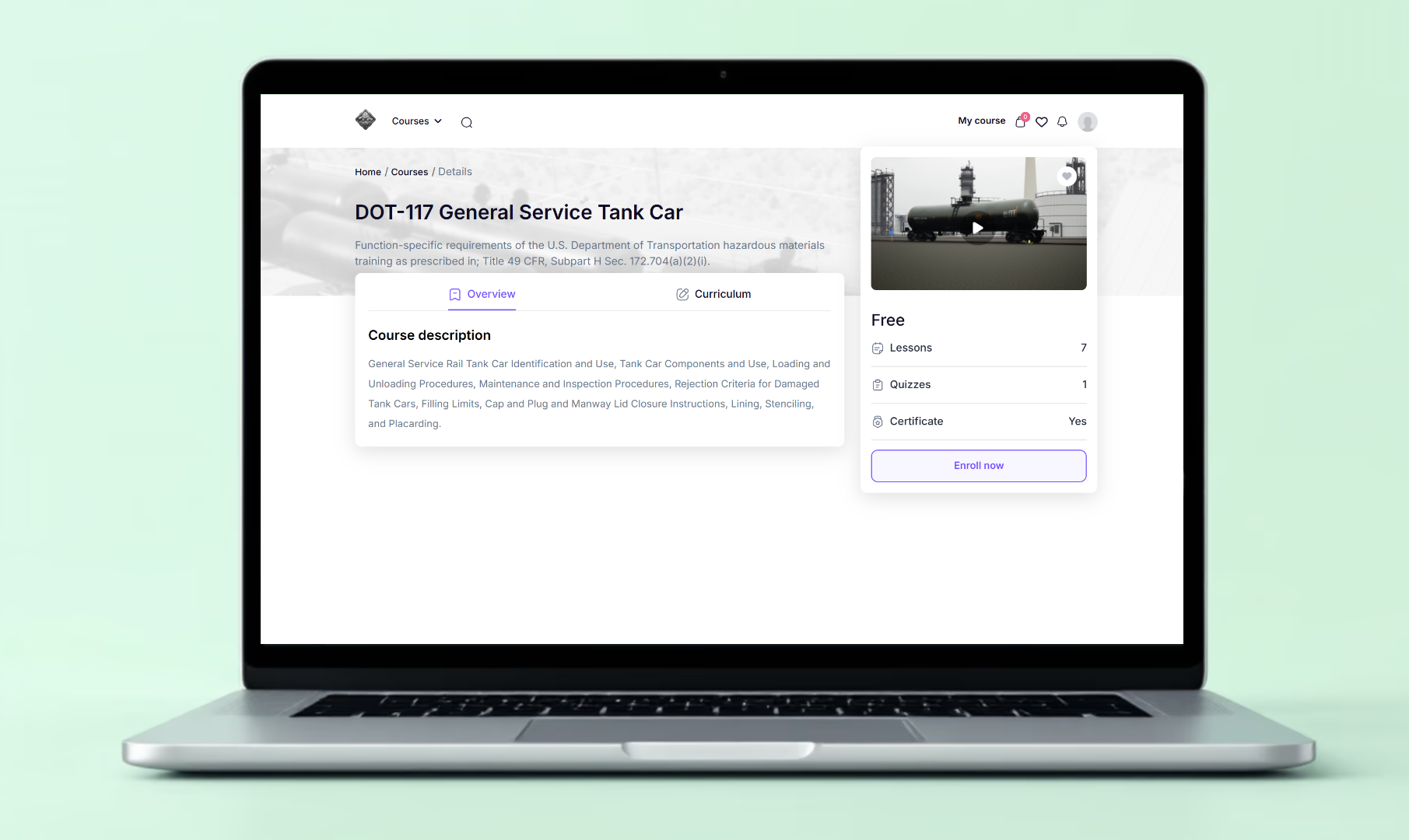
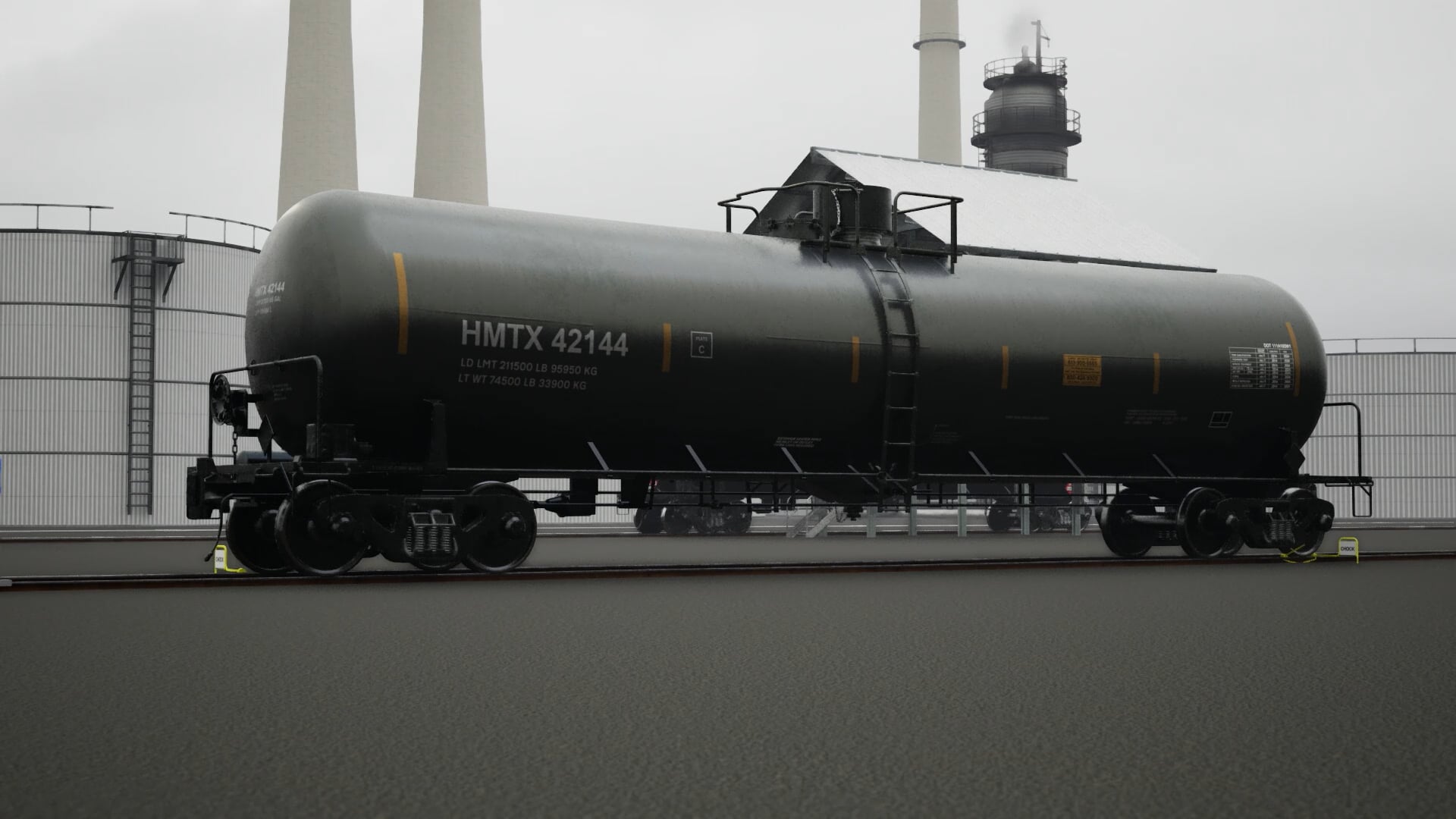
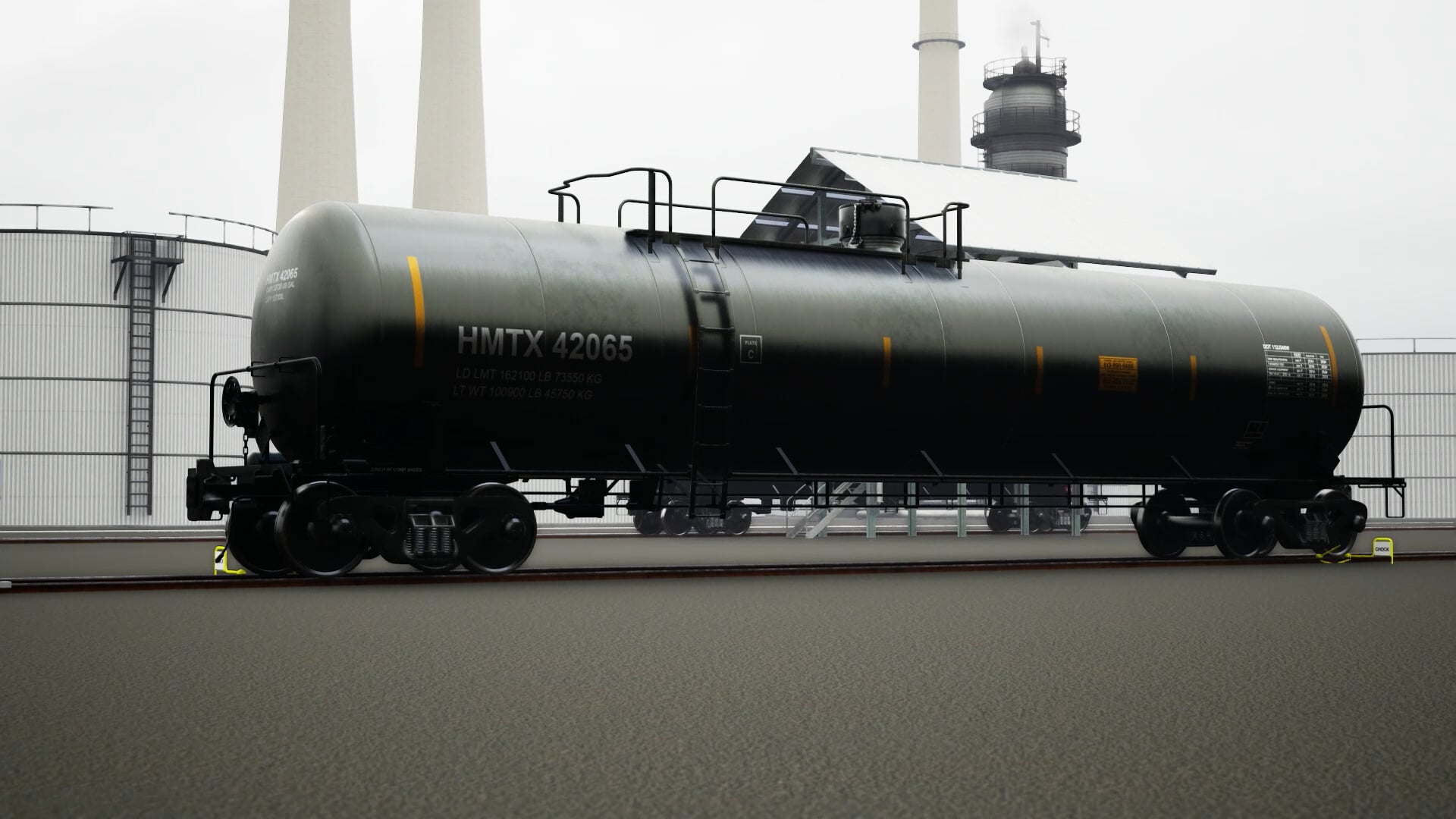
Stop reading about how to do hazmat compliance and start doing hazmat compliance. 3DHazmat.com is the only multimodal hazmat training platform that combines 2D self‑paced courses with true 3D simulation — all in one scalable system that replaces expensive on‑site training.
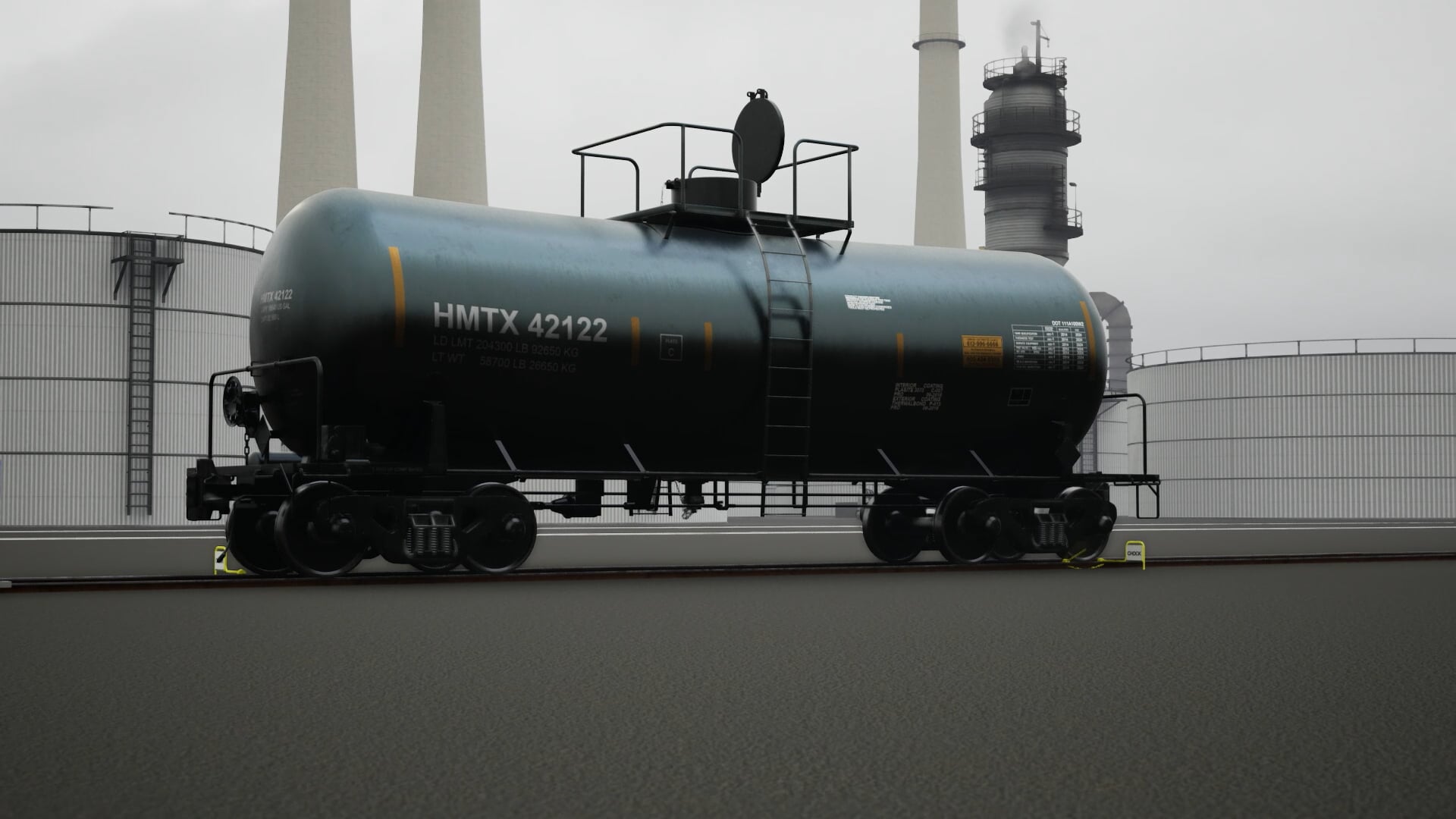
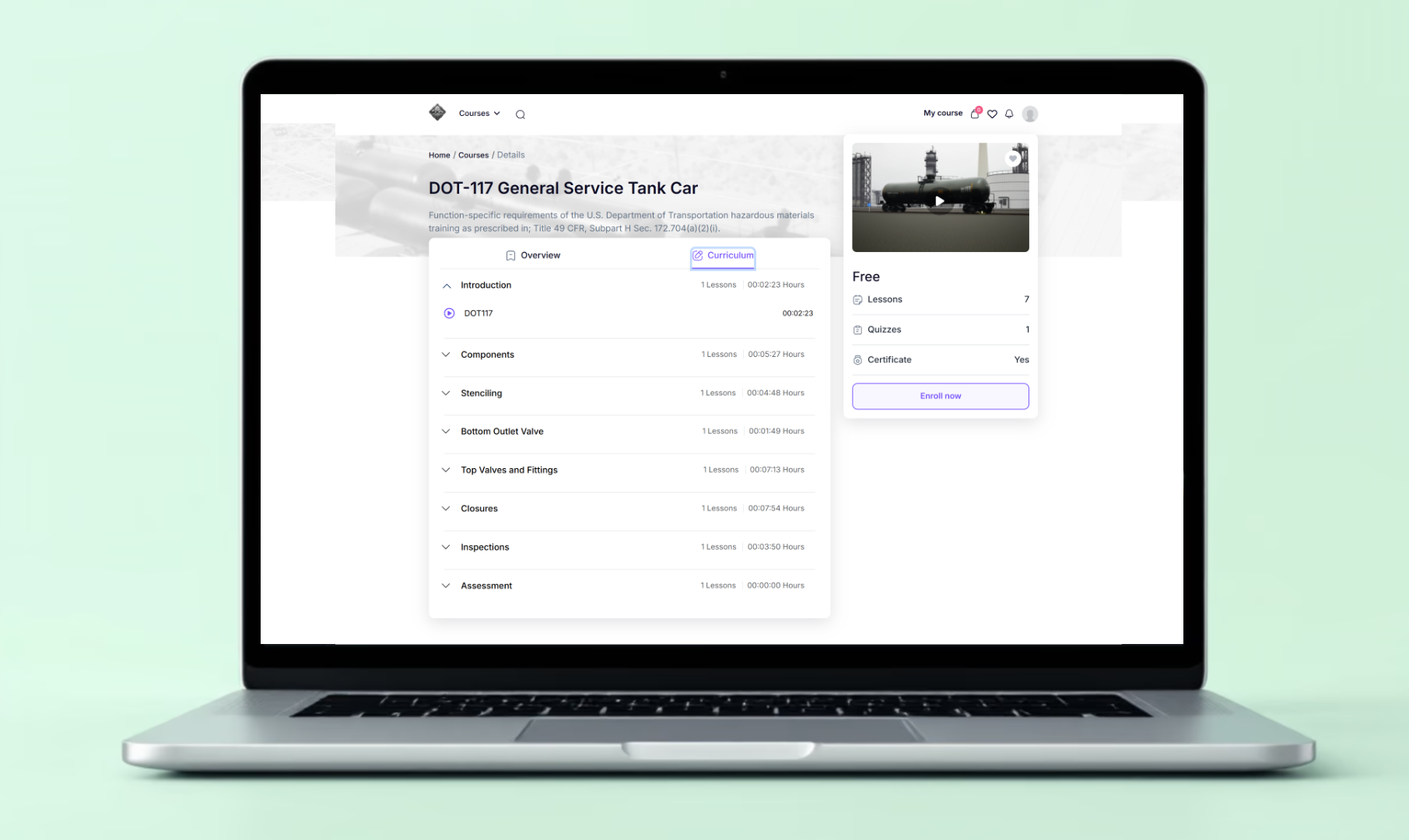
The DOT 111A100W1 and the newer DOT 117J100W1, which includes the CPC-1232 standards, are the most common tank cars in service today.
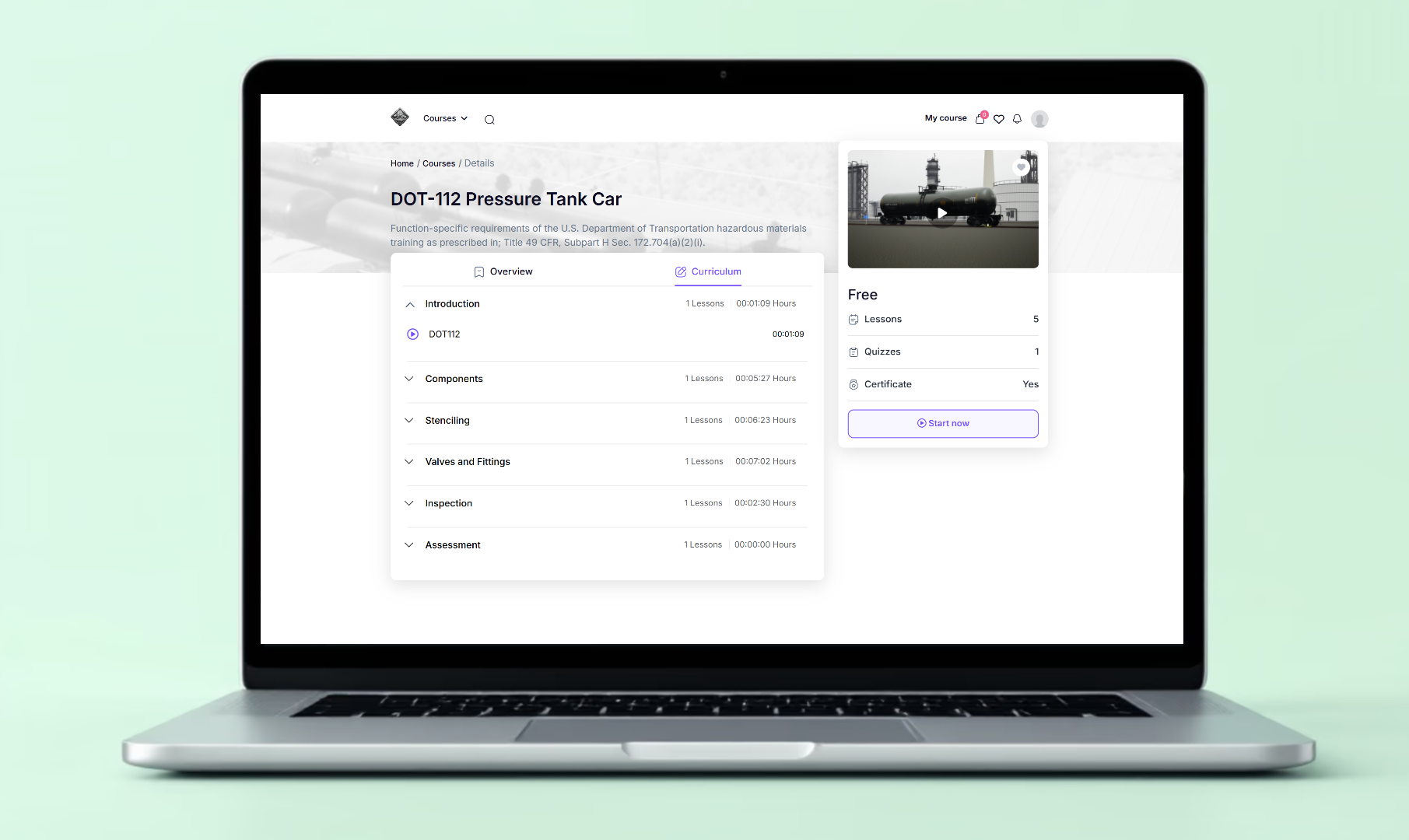
Along with DOT-105 cars, the DOT-112 is the industry standard specification for transporting hazardous, pressurized liquids like LPG.
W2 (Sodium Hydroxide / Caustic Soda): Built with carbon steel tanks and commonly lined with specialized phenolic/epoxy coatings to maintain product purity. These tank cars typically include bottom and/or top unloading configurations and are frequently insulated or coiled to keep the caustic soda in a liquid state during cold weather.
W5 (Hydrochloric Acid): Built with carbon steel but features a sheet-applied, heavy-duty interior rubber lining (typically 3/16" to 1/4" thick) to prevent the highly corrosive acid from eating through the steel. These cars feature specialized acid-resistant fittings and typically do not have a bottom outlet valve to prevent accidental leaks.
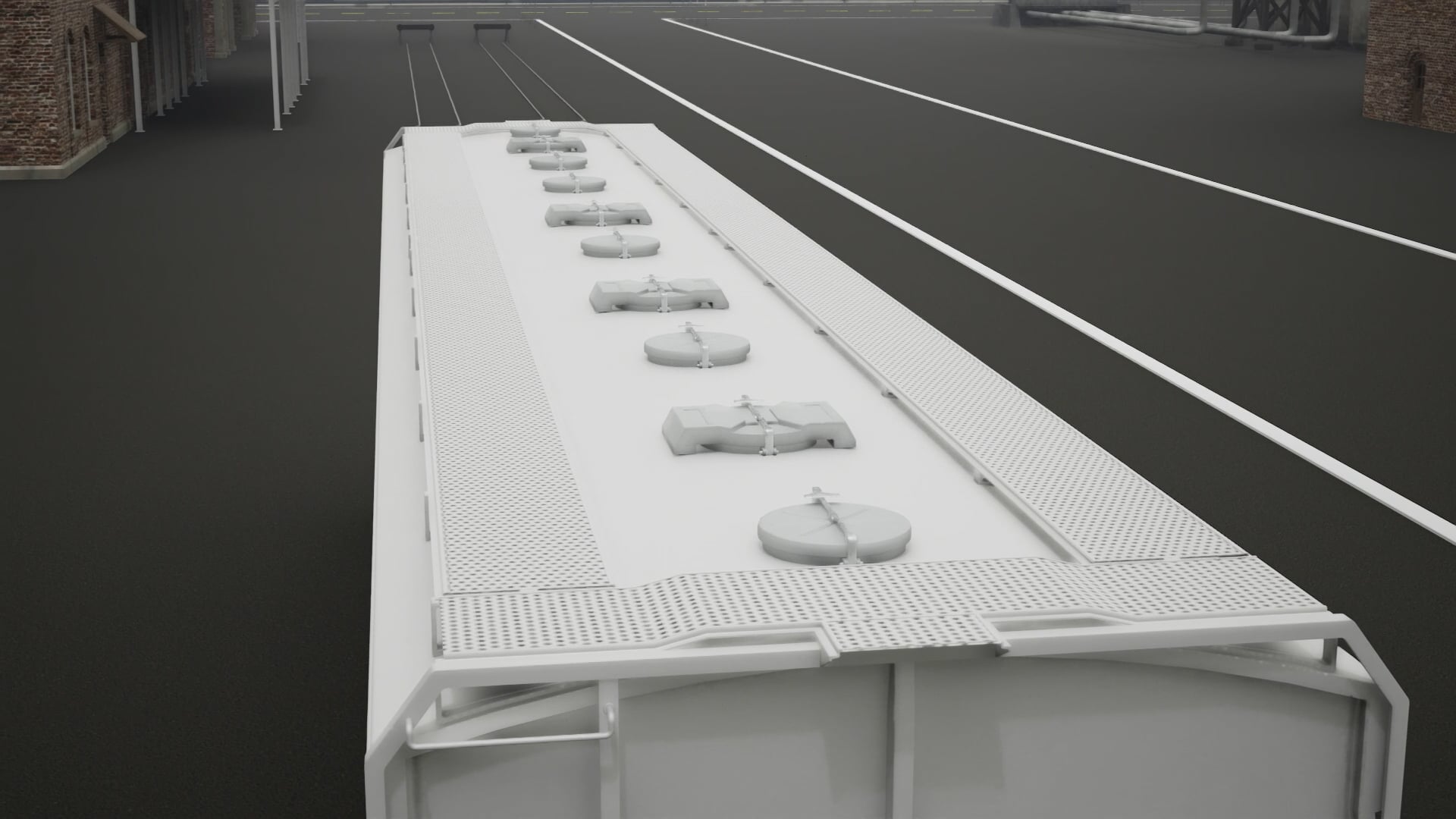
Modeled after the AAR 207 these "pressure differential covered hopper cars" require training and inspection just like any other car carrying hazardous materials. Their discharge type determines how the product is unloaded and is a key factor in matching the right car to the commodity.
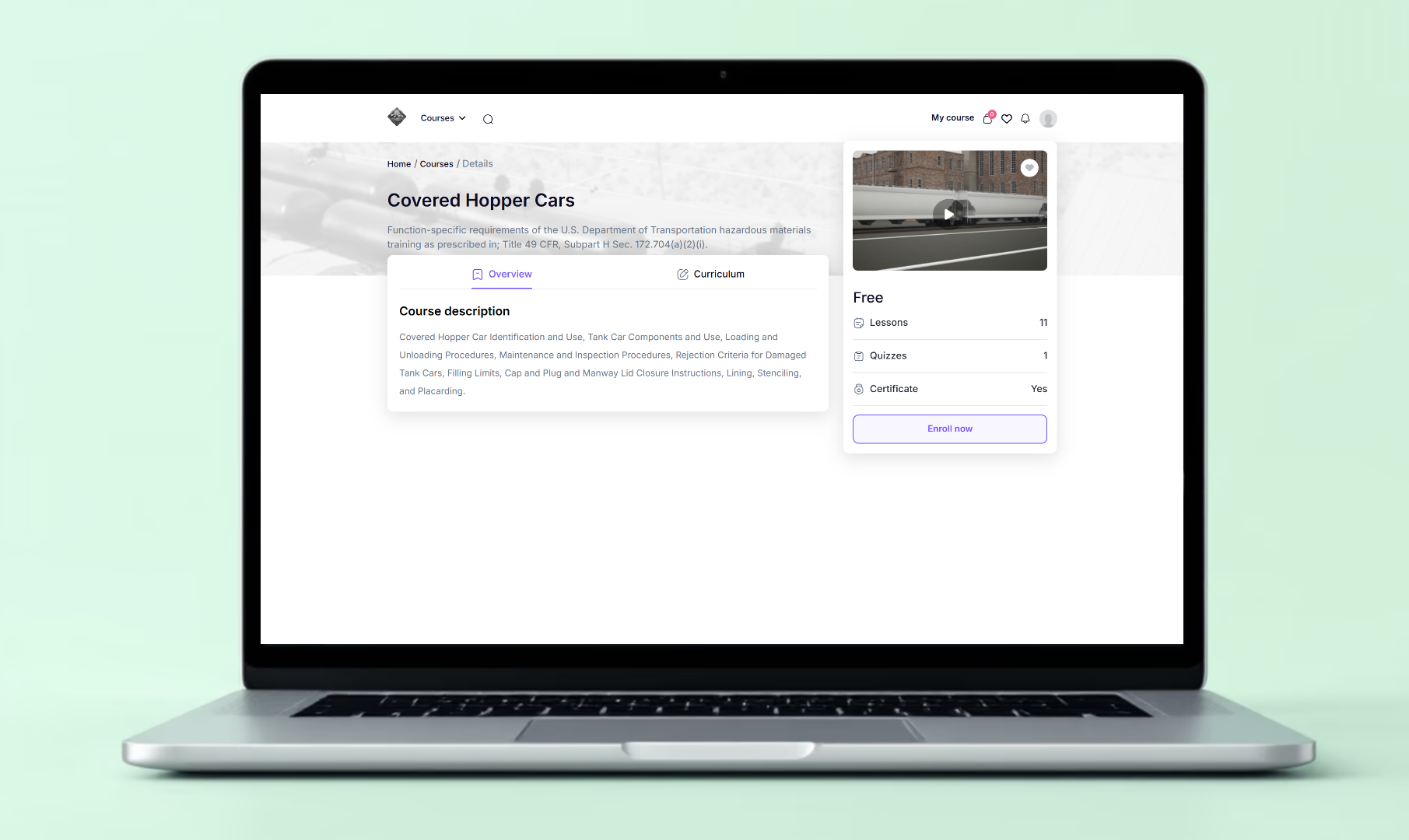
We offer deeper content and real 3D immersion than any online competitor, while costing up to 80% less than traditional on‑site training.
Minimum training requirements:
Includes everything in Essentials
plus:
Includes everything in Multimodal plus:
For large shippers, terminals, fleets, chemical companies.Includes: